How the Sports Industry Will Change in 2026? A Deeper Look
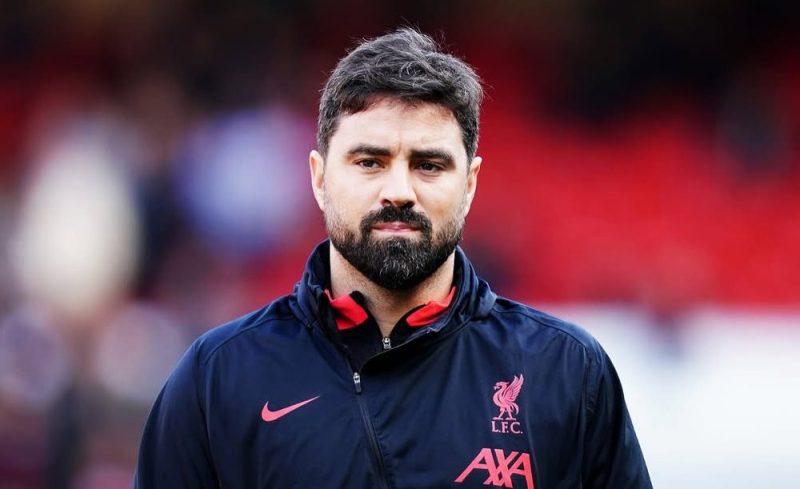
“Football can change pretty quickly,” said Swansea City’s head coach, Vitor Matos, reflecting the unpredictable nature of sports results. However, this sentiment also perfectly describes the current state of the global sports business and technology landscape in 2026.
What used to shift over decades is now flipping in months. Media deals are rewriting the rulebook. Tech is no longer optional. Fans are behaving differently, and leagues are scrambling to keep up.
Watching sports used to be simple. You turned on the TV and found the game. In 2026, it feels more like a scavenger hunt. Major leagues are slicing up their media rights and selling them to the highest bidder. The NFL is leaning toward selling NFL Media to Disney for equity in ESPN, while pushing more live games to Netflix and YouTube. That means fans need more apps, more logins, and more patience.
Basketball is heading the same way. The NBA just locked in massive national deals and is now working to bundle local team broadcasts into one national streaming product for the 2027 to 28 season. The price tag is expected to hit the billions. Even motorsport is shifting. After its rise on ESPN, Formula 1 signed a long-term deal with Apple worth around $140 million per year through 2031.
All this choice sounds great until the bill shows up. Fans are already frustrated by juggling platforms and rising costs. That frustration is pushing the industry toward what many call the great re-bundling. Services will likely start packaging sports together again, just under new owners. One league is moving faster than the rest. The UFC is dropping pay-per-view entirely.
Starting in 2026, every fight will stream on Paramount+ for $59.99 per year. That is a huge shift from $79.99 per event, and a direct attack on piracy and fan fatigue.
Technology is Running the Game Off the Field!
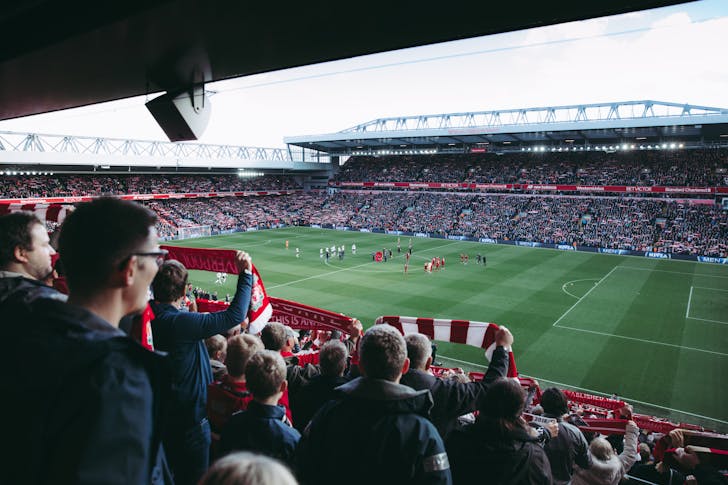
Bohl / Pexels / Tech in sports used to mean fancy scoreboards and replay screens. In 2026, it sits at the centre of decision-making.
AI is now part of daily training. Computer vision breaks down movement patterns. Digital athlete models predict injury risk before pain even shows up.
This tech boom is backed by serious money. The global sports technology market was valued at $22.86 billion in 2025 and is on track to reach $60.49 billion by 2030. Wearables drive roughly 33% of that revenue. Sensors track heart rate, muscle load, and recovery in real time. That data feeds AI systems that help teams train smarter and keep players healthier. The edge gained is small, but at elite levels, small wins games.
Plus, money is also changing who controls sports behind the scenes. After the University of Utah landed a $500 million investment from Otro Capital, similar deals across college sports are expected in 2026. Agencies and tech firms are merging to scale faster. At the top end, football clubs are turning into entertainment giants.
Real Madrid became the first club to generate over €1 billion in annual revenue, driven by stadium upgrades and nonstop commercial activity. Winning still matters, but owning the fan relationship matters more.
Fans, Experiences, and the 2026 World Cup Effect

Eslames / Pexels / Around 74% of fans now follow sports through social media, often consuming highlights instead of full games.
Short clips, reactions, and memes travel faster than broadcasts. This trend will peak during the FIFA World Cup 2026, hosted across the United States, Canada, and Mexico. The event will play out on feeds as much as on fields.
Experiences now beat possessions. About 53% of fans say they value experiences more than things. That mindset is boosting sports tourism. The tri-nation World Cup format encourages fans to turn matches into multi-city trips.
More in Football
-
`
 Indiana Basketball Heads to Peru for FISU America Games with a Completely Rebuilt Roster
Indiana basketball is heading south this summer, but this is far more than a routine overseas trip. The Hoosiers will represent...
June 7, 2026 -
`
Why North Carolina’s Unsettled QB Room Raises Concerns for 2026
North Carolina football has enjoyed rare consistency at quarterback for nearly a decade. From Mitchell Trubisky’s rise into the No. 2...
June 6, 2026 -
`
The Remarkable Basketball Journey of Pete Babcock
Pete Babcock did not start his journey under bright NBA lights. Instead, he began as a high school coach and teacher,...
May 31, 2026 -
`
Padel is Now Among the Top Global Luxury Sports
Padel is no longer a hidden gem tucked inside private clubs in Spain and Argentina. The sport has burst onto the...
May 31, 2026 -
`
Jake Paul’s Boxing Future in Doubt After Severe Jaw Injury in Fight
A serious injury from a high-profile heavyweight clash has placed Jake Paul’s boxing future under close scrutiny. After a December loss...
May 30, 2026 -
`
How Football Shaped Robby Snelling’s Path to His MLB Debut
Robby Snelling’s baseball journey reaches a major milestone this week as the talented left-hander prepares for his MLB debut with the...
May 24, 2026 -
`
Here’s How LaVell and Patti Edwards Shaped BYU Football 6 Decades Ago
BYU football did not rise because of one brilliant coach standing alone on the sideline. The real story started with a...
May 24, 2026 -
`
Sean Miller Shares His View on the State of NIL in College Basketball
College basketball is moving through a financial shift that is reshaping roster building, recruiting, and competitive balance. Money flowing through Name,...
May 22, 2026 -
`
Khamzat Chimaev Calls for Boxing Match with Conor McGregor
Khamzat Chimaev knows how to grab attention. The UFC middleweight champion, 32, shocked fans this week after openly calling for a...
May 17, 2026




More From Refinance Gold
-
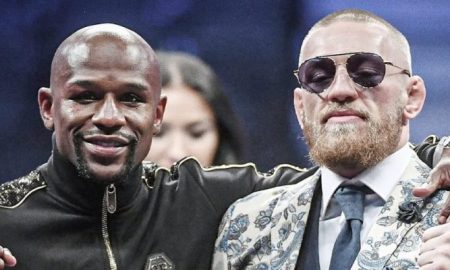
Conor McGregor Signals Interest in Floyd Mayweather Jr. Boxing Rematch
The possibility of another showdown between Conor McGregor and Floyd Mayweather Jr. has returned to the spotlight. Nearly a decade after...
BoxingJuly 24, 2026 -
Navy Leads the Way as Athlon Sports Reveals 2026 American Conference All-Conference Team
The countdown to the 2026 college football season has already begun, and Athlon Sports has added plenty of excitement with its...
FootballJuly 19, 2026 -
ESPN Picks Only Two Alabama Players Among the Best Football Players By Jersey Number
College football’s offseason always brings a wave of rankings. Fans debate everything from uniforms and stadiums to mascots and legendary teams....
FootballJuly 19, 2026 -
NBA Introduces “One Free Throw” Rule During Summer League Games
The NBA Summer League is bringing noticeable changes to the court this year. The league has announced a new one free...
BasketballJuly 17, 2026 -
Why the Floyd Mayweather vs. Mike Zambidis Fight Was Postponed
Fans expecting to see Floyd Mayweather return to the ring this weekend received unexpected news after his scheduled exhibition fight against...
BoxingJuly 12, 2026

You must be logged in to post a comment Login