

How Modern Boxing Films are Redefining the Underdog Story? A Closer Look
Boxing movies have always packed an emotional punch. Audiences love watching fighters climb from hardship to glory. For decades, the formula stayed familiar. A struggling boxer faced impossible odds, trained relentlessly, and stepped into the ring for one life-changing fight. The story worked because it reflected real human struggles.
Today, boxing films still embrace the underdog spirit, but they are telling richer and more layered stories. Modern filmmakers are moving beyond simple tales of victory. They are exploring identity, trauma, community, mental health, and personal redemption. The result is a new generation of boxing movies that feel more grounded, more complex, and far more relatable.
The Underdog Story Has Grown Up

CNET / Classic boxing films often focused on one goal. Everything in the story pointed toward that final match. Modern boxing films still use this framework, yet they place greater emphasis on what happens outside the ring.
The boxer is no longer defined only by punches thrown or titles won. Instead, the audience sees family struggles, social pressures, and emotional scars that shape every decision. Winning becomes just one part of a much larger personal journey.
This shift has made the underdog story feel more authentic. Life rarely offers neat endings. Many contemporary boxing films acknowledge that reality. A fighter can lose a match and still find personal growth. That emotional honesty resonates strongly with modern audiences.
The focus has moved from proving strength to understanding what strength actually means. Sometimes courage looks less like a knockout and more like confronting fear, regret, or failure.
Redemption has always been a major theme in boxing cinema. Fighters often enter the ring carrying personal baggage. They battle addiction, broken relationships, poor decisions, or painful memories. The sport becomes a path toward rebuilding their lives.
What has changed is how modern films approach redemption. Earlier movies often linked redemption directly to winning. The fighter earned respect through victory. The championship belt served as proof that personal transformation had occurred.
Recent films take a different approach. Redemption is often messy and incomplete. Characters continue struggling even after major achievements. Their victories feel earned because they come from confronting difficult truths rather than simply defeating an opponent.
Films like “The Fighter,” “Southpaw,” and “Million Dollar Baby” demonstrate how personal growth can carry more emotional weight than a final scorecard. These stories focus on healing damaged relationships, accepting responsibility, and finding purpose after loss.
New Voices are Changing the Genre
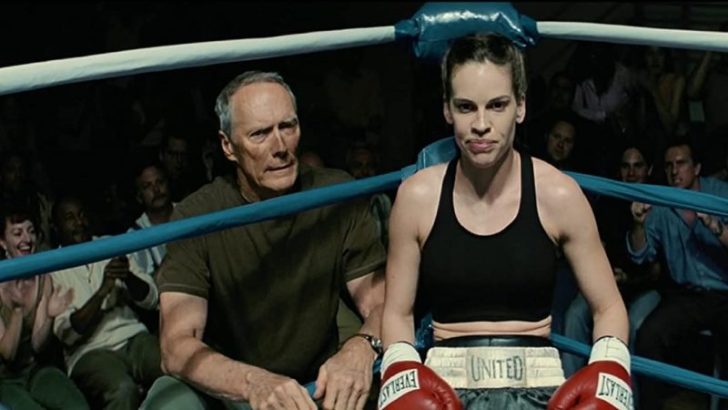
Marca / One reason modern boxing films feel fresh is the arrival of new cultural perspectives. Filmmakers from different regions are using boxing as a way to tell stories rooted in local communities and social realities.
The Indian film “Sarpatta Parambarai” offers a strong example. Instead of relying on familiar sports movie rhythms, it places major victories and defeats in unexpected parts of the story. This approach creates tension because viewers cannot predict where the narrative will go next.
The film also ties boxing to community pride and political change. The stakes feel deeply personal. The audience is not simply watching a fighter chase glory. They are watching a person carry the hopes and identity of an entire community.
This focus on place and culture gives modern boxing films greater depth. The best stories feel connected to real people and real struggles. They avoid broad stereotypes and replace them with specific experiences that feel genuine.
Many recent boxing films have shifted attention toward psychological conflict. Physical training still matters, but mental pressure often takes center stage.
This trend reflects a growing interest in exploring the emotional cost of competition. Fighters face intense expectations, isolation, fear, and self-doubt. These internal struggles can be just as dangerous as any opponent standing across the ring.
The 2024 film “The Cut” pushes this idea to an extreme. Rather than focusing on championship glory, it examines obsession and self-destruction. The story explores the brutal consequences of an illegal weight cut and the psychological damage that follows.
More in Boxing
-
`
 Mike Vrabel Responds to New NFL Rule After Viral Flag Throw
Mike Vrabel made his return to the New England Patriots sideline Thursday night, and one second-quarter play quickly became the talk...
August 27, 2026 -
`
SpaceX Rocket Debris Believed to Have Crashed Into Moon
A discarded SpaceX rocket stage may have ended its journey in an unexpected place: the Moon. The four-tonne section of a...
August 22, 2026 -
`
Odell Beckham Jr. Turns Heads at Giants Camp, Cites LeBron James for His NFL Comeback
Odell Beckham Jr. is back with the New York Giants, but nostalgia will not guarantee him a roster spot. The 33-year-old...
August 22, 2026 -
`
Ben Shalom Clashes With talkSPORT Host Over Zuffa Boxing
Zuffa Boxing is already creating tension in professional boxing, with BOXXER promoter Ben Shalom openly challenging the promotion’s growing influence. The...
August 21, 2026 -
`
Browns Lock Up Grant Delpit With $48M Extension as Cleveland Doubles Down on Defense
The Cleveland Browns have made another major investment in their defense. The team has signed veteran safety Grant Delpit to a...
August 15, 2026 -
`
Denzel Ward Signs $62.2M Browns Extension to Become the Highest-Paid DB
The Cleveland Browns have rewarded one of the league’s most consistent cornerbacks with a historic contract. Denzel Ward has agreed to...
August 15, 2026 -
`
Did Rich Paul Hint at LeBron James Joining the 76ers?
LeBron James’ decision to join the Philadelphia 76ers quickly became one of the biggest talking points of the NBA offseason in...
August 14, 2026 -
`
Jake Paul Responds to Critics Over Record Netflix Boxing Viewership
Jake Paul continues to face criticism over his boxing career, but the social media star turned professional boxer believes the conversation...
August 8, 2026 -
`
How the Muhammad Ali Boxing Revival Act Could Change Boxing Forever
Professional boxing could soon enter a new era. A proposed law known as the ‘Muhammad Ali Boxing Revival Act’ has become...
August 8, 2026







More From Refinance Gold
-
UT’s Viral ‘Big Red’ Fan Preston Powe Lands His First TV Role
Preston Powe became a familiar face to University of Texas football fans long before landing a television role. The 20-year-old UT...
FootballOctober 10, 2026 -
NFL Bans Patriots’ Sneaky Video Board Trick That Confused Opposing Kickers
The New England Patriots found a tiny edge at Gillette Stadium that stayed within NFL rules for years. Now, the league...
Latest NewsOctober 10, 2026 -
Is It Time to Worry About the No. 1-Seed Minnesota Lynx?
The Minnesota Lynx secured the No. 1 seed in the WNBA playoffs, but the timing of their latest slump has created...
BasketballOctober 8, 2026 -
Guernsey Boxing Coach Mandy Hobart Receives 2026 Community Award
Mandy Hobart has received the 2026 BBC Radio Guernsey Make a Difference Award for her long-running work in boxing and community...
BoxingOctober 4, 2026 -
Chicago Bears Aim for NFL History as Scoring Record Hopes Hinge on Consistency
The Chicago Bears entered the 2026 NFL season chasing a number that has survived for more than a decade. Head coach...
FootballOctober 3, 2026




You must be logged in to post a comment Login