
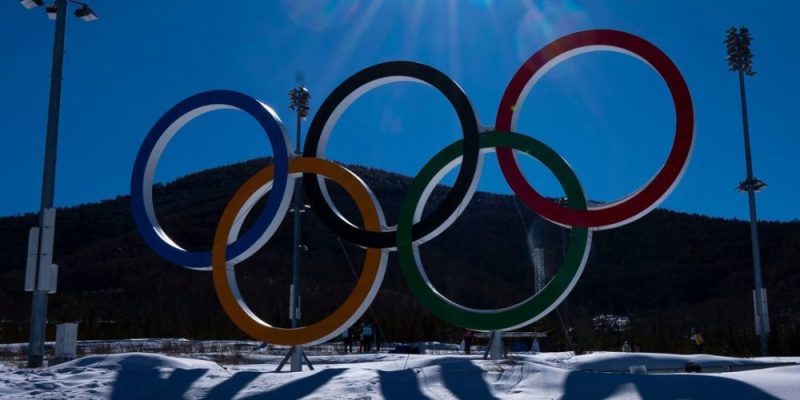
IOC Gene Testing Policy Sparks Backlash From Trans and Intersex Athletes
The International Olympic Committee (IOC) has reignited a global debate after announcing the return of genetic testing requirements for female athletes. The policy marks a major shift from the organization’s previous approach and has drawn criticism from transgender and intersex athletes, medical advocates, and human rights supporters.
Under the new framework, female athletes will be required to undergo testing for the SRY gene, a gene typically associated with male biological development. Athletes who test positive will not be eligible to compete in women’s categories at Olympic events. The policy applies to transgender women as well as some women with differences in sex development (DSD).
While the IOC says the change is intended to protect fairness and safety in women’s sports, many athletes argue that the decision could have serious consequences for privacy, inclusion, and the future of women’s athletics.
Critics also question the scientific basis of the policy and fear it could increase scrutiny of female athletes whose appearances do not fit traditional expectations.
Athletes Describe the Decision as a Step Backward
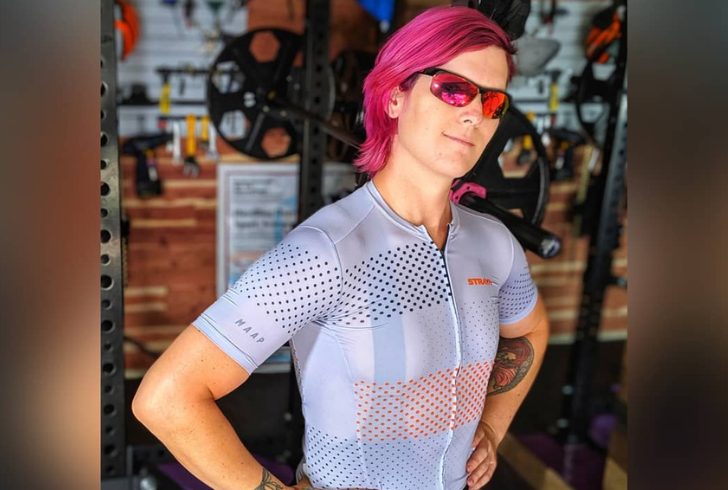
Instagram | drveronicaivy | Two-time cycling champion Ivy has spoken up about retiring in 2023 due to new transgender bans.
Among those speaking out is Ivy, a transgender cyclist who represented Canada and won back-to-back women’s track cycling world championships in 2018 and 2019. Ivy retired from competitive cycling in 2023 after the sport’s governing body changed its eligibility rules and barred transgender women from competition.
The IOC’s latest decision, according to Ivy, goes beyond competitive eligibility.
“This isn’t protecting the female category,” Ivy said. “This is only going to harm women and girls.”
Athletes opposing the policy argue that mandatory genetic screening creates new barriers for women while doing little to address actual competitive concerns. Many point out that openly transgender athletes remain extremely rare at the Olympic level.
Only one openly transgender woman has competed in Olympic history. New Zealand weightlifter Laurel Hubbard participated in the Tokyo Olympics in 2021 and finished last in her group.
For critics of the new framework, those numbers raise an important question: Is the policy addressing a widespread issue or responding to a largely theoretical concern?
What the New IOC Policy Requires
The IOC’s updated framework introduces mandatory SRY gene testing for female competitors.
Athletes who test positive for the gene will be ineligible to participate in women’s Olympic competition. This includes transgender women and certain athletes with differences in sex development.
According to the IOC, the policy was shaped through athlete feedback and expert consultation. The organization stated that participants in its review process expressed “a strong consensus that fairness and safety in the female category required clear, science-based eligibility rules, and that protecting the female category is a common priority.”
However, the IOC has not publicly disclosed how many athletes participated in the consultation process or the specific questions they were asked.
When asked for additional details about the development of the policy, the organization directed inquiries to a frequently asked questions page published on its website.
Many athletes remain skeptical because the consultation process has not been fully disclosed.
“They don’t give a crap about women’s sport,” Ivy said. “Do you think girls and women are more or less safe if they have to prove their sex to someone? And when we look at the history of sex testing of women in sport, it’s a highly invasive process rife with sexual abuse and harassment.”
Patricio Manuel Calls the Policy “Heartbreaking”
Transgender boxer Patricio Manuel described the IOC announcement as deeply disappointing.
“It was heartbreaking,” Manuel said. “Sports have been an amazing vehicle of inclusion in this society, and to weaponize it against athletes based on a hypothetical situation – to me, they are using sports to further weaponize and segregate trans athletes, and especially trans women, out of society by not allowing them into sports.”
Manuel was one of several transgender athletes who previously worked with Olympic officials during discussions about inclusion and participation.
His criticism reflects a broader concern among athletes who believe sports have historically created opportunities for connection and acceptance across different communities.
Many fear that excluding transgender athletes from competition could send a message that extends beyond sports and into public life.
Chris Mosier Says the IOC Is Reversing Progress
Chris Mosier has long been associated with transgender participation in elite sports.
In 2015, Mosier became the first known transgender man to represent the United States in international competition. Five years later, he became the first transgender athlete to compete in U.S. Olympic Trials in a category aligned with gender identity.
A decade ago, Mosier played a significant role in efforts that led the IOC to remove requirements that transgender athletes undergo gender reassignment surgery before competing.
The new policy, he said, represents a dramatic reversal.
“I call bulls—,” Mosier said. “I believe this is rooted in politics, not in the actual lived experiences or the day-to-day experiences of athletes competing in women’s sports, because the truth is, there are very few trans women competing in women’s sports compared to the number of cisgender women. So this is largely a solution in search of a problem.”
Mosier also pointed to a double standard within sports.
While female athletes face genetic screening requirements, the new framework does not require similar testing in men’s categories.
According to Mosier, transgender men have often encountered dismissal rather than concern.
“If anything, it’s been dismissal of my presence in those competitions,” he said. “Even making Team USA nine times, every single time is just a shrug, like it’s a one-off, like I’ll never be competitive with men because I was assigned female at birth.”
Questions About Athlete Consultation
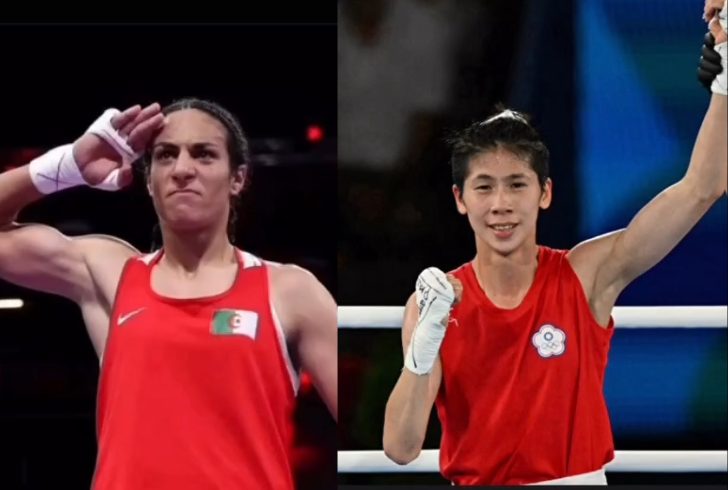
Instagram | @protrinews | The experiences of Imane Khelif and Lin Yu-ting have intensified concerns that new eligibility rules could increase scrutiny of women athletes.
In 2019, the IOC invited a small group of transgender athletes to Lausanne, Switzerland, as part of discussions that eventually helped shape its 2021 framework on fairness, inclusion, and non-discrimination.
The group included both Ivy and Patricio Manuel.
The athletes met directly with IOC officials and shared personal experiences related to participation in sports.
However, both athletes say they were not consulted during the development of the newly announced policy.
The IOC stated that confidentiality was often necessary during the review process. According to the organization, the working group included specialists in sports science, endocrinology, transgender medicine, sports medicine, women’s health, ethics, law, and chief medical officers from international federations.
Even so, critics continue to question whether transgender athletes and researchers whose findings challenge assumptions about competitive advantage were adequately represented.
Manuel described the outcome as “a slap in the face” to years of inclusion efforts.
Ivy went even further.
“Unfortunately, the IOC has now betrayed all of its values it claims to have in things like the Olympic Charter,” Ivy said.
She referenced the Olympic Charter’s principle that sport is a human right and argued that the new policy conflicts with that commitment.
Women’s Sports and the Debate Over Inclusion
The controversy has highlighted competing visions of fairness in women’s sports.
Critics of transgender participation often argue that biological differences create competitive advantages. Athletes opposing the IOC policy counter that elite competition has always included a wide range of natural physical variations.
Transgender women have competed in major professional leagues, including the WNBA and the National Women’s Soccer League.
Eight-year WNBA veteran Brianna Turner addressed the issue in a USA TODAY opinion piece.
“In more than 15 years of organized basketball, I’ve played with and against people who are transgender and undoubtedly people with intersex variations, and I’ve never experienced any unfair advantages,” Turner wrote.
“I saw these players as my fellow athletes, not my enemies. We cannot choose our genes or chromosomes, but we can choose how hard we work, how we treat one another, and whether we protect the dignity of every athlete.”
Supporters of inclusion often argue that athletic success depends on many factors, including training, skill, experience, dedication, and mental strength.
Who Gets to Decide Who Is a Woman?
One of the strongest criticisms of the IOC policy centers on how female athletes may be judged.
Opponents fear that women whose bodies appear more muscular or masculine could face increased scrutiny, regardless of their actual biology.
The issue gained attention in 2023 when the International Boxing Association excluded Algeria’s Imane Khelif and Taiwan’s Lin Yu-ting from the women’s world championships after gender eligibility testing. Neither athlete is transgender.
The IOC later disagreed with the decision and confirmed that both athletes were eligible for women’s boxing at the 2024 Olympics. Khelif went on to win a gold medal.
Despite that decision, both athletes became targets of online abuse.
“Who gets to decide who is a woman?” Manuel asked.
“An athlete isn’t just based on their physiological component.”
He emphasized that sports achievements come from far more than physical characteristics.
“The beauty of the sport isn’t about the physical strength of an athlete. It’s also the skill, the drive, the dedication, the heart that goes into it.”
According to Manuel, reducing athletic achievement to genetics diminishes the work and commitment that athletes invest throughout their careers.
The Legacy of Caster Semenya
The debate over sex verification in sports is not new.
Two-time Olympic champion Caster Semenya has spent years at the center of the discussion.
In 2009, Semenya underwent sex verification testing and was found to have differences in sex development. She has female physical characteristics but also possesses XY chromosomes and naturally elevated testosterone levels.
World Athletics later ruled that she could not compete unless she lowered her testosterone through medication.
Semenya challenged the restrictions through multiple legal cases. In July 2025, the European Court of Human Rights ruled in her favor. Following that decision, she chose not to continue pursuing additional legal challenges.
Writing in Time magazine on April 1, Semenya condemned the IOC’s new policy.
“There is no single marker for what makes someone a woman, or for what makes an athlete great,” she wrote.
“We celebrate the exceptional in men’s sports all the time. But when it comes to women’s sports, there are such narrow definitions of who is allowed to participate.”
Her comments have become a focal point for critics who believe the policy narrows the definition of womanhood in elite sports.
Concerns About Race and Body Policing
Many athletes and advocates believe the effects of genetic testing will not be distributed equally.
Cases involving Caster Semenya, Imane Khelif, Indian sprinter Dutee Chand, and others have fueled concerns that women of color may face greater scrutiny.
Maya Satya Reddy, a former professional golfer and consultant on LGBTQ+ law and policy, said these concerns cannot be separated from historical attitudes about race and gender.
“When you’re hyper-focusing on bodies, especially the bodies of women, it’s impossible to take out the history of racism in Western countries,” Reddy said.
Reddy argued that efforts to regulate women’s bodies have often been influenced by racial stereotypes and expectations about femininity.
Even global sports icons such as Serena Williams and Simone Biles have faced criticism over their physical appearance despite their accomplishments.
“There are so many different and beautiful ways to look like a woman,” Reddy said.
She also recalled that professional golf often promoted a narrow image of femininity that made some athletes feel excluded.
The Hidden Consequences of Genetic Testing
Instagram | sportandrightsalliance | The IOC’s genetic testing faces intense scrutiny, balancing the defense of women’s sports against potential discrimination.
One of the most significant concerns involves athletes who may discover previously unknown genetic conditions through mandatory screening. Aces Fox, an accomplished youth sprinter who won two Junior Olympics gold medals, learned at age 19 that they were intersex.
Fox was born with two different sets of DNA and developed both male and female internal reproductive structures.
Although certain physical traits hinted at differences during adolescence, Fox was unaware of the condition for years. The discovery occurred after a clinician conducted testing without Fox’s knowledge and later disclosed the results.
Athletes fear the IOC’s policy could force young competitors into similarly life-changing discoveries.
The youngest female competitor at the 2024 Summer Olympics was 11 years old. The youngest female Winter Olympian in 2026 was 15 years old. Under the new framework, future athletes in those age ranges could face testing requirements before Olympic participation.
“It’s crushing, at least for me it was,” Fox said.
Fox described emotional challenges related to family relationships, personal identity, and future life decisions after learning about the diagnosis.
Privacy advocates also warn about questions involving medical confidentiality, testing procedures, data protection, and long-term storage of genetic information.
Fears of a Wider Impact Beyond the Olympics
The IOC has stated that the policy does not apply to grassroots or youth sports organizations. Even so, many athletes believe the decision could influence sports systems worldwide.
National governing bodies frequently look to Olympic standards when creating their own eligibility policies. Chris Mosier warned that similar testing programs at lower levels of competition could discourage girls from participating in sports.
“If there are lower levels of sport that are adopting genetic testing, it’s going to be catastrophic,” Mosier said.
He argued that increased monitoring of athletes’ bodies could create fear and pressure among young competitors. Athletes also worry that excluding transgender individuals from sports could normalize exclusion in other parts of society.
Patricio Manuel believes sports often create opportunities for understanding between people from different backgrounds.
“I think forcing trans people out of the sporting space is going to force us further from having those connections, from being able to see each other as human,” he said.
The IOC’s genetic testing policy has sparked intense debate across the sports world. Supporters argue it helps maintain fairness in women’s competition, while critics warn it could lead to discrimination, privacy concerns, and increased scrutiny of female athletes.
The debate reaches beyond transgender participation, raising questions about biological diversity, medical ethics, and athlete rights. As the policy moves toward implementation, athletes including Ivy, Chris Mosier, Patricio Manuel, Caster Semenya, Maya Satya Reddy, Brianna Turner, and Aces Fox continue to question its impact, keeping the focus on the challenge of balancing fairness with inclusion and respect for every athlete.
More in Latest News
-
`
 Odell Beckham Jr. Turns Heads at Giants Camp, Cites LeBron James for His NFL Comeback
Odell Beckham Jr. is back with the New York Giants, but nostalgia will not guarantee him a roster spot. The 33-year-old...
August 22, 2026 -
`
Ben Shalom Clashes With talkSPORT Host Over Zuffa Boxing
Zuffa Boxing is already creating tension in professional boxing, with BOXXER promoter Ben Shalom openly challenging the promotion’s growing influence. The...
August 21, 2026 -
`
Browns Lock Up Grant Delpit With $48M Extension as Cleveland Doubles Down on Defense
The Cleveland Browns have made another major investment in their defense. The team has signed veteran safety Grant Delpit to a...
August 15, 2026 -
`
Denzel Ward Signs $62.2M Browns Extension to Become the Highest-Paid DB
The Cleveland Browns have rewarded one of the league’s most consistent cornerbacks with a historic contract. Denzel Ward has agreed to...
August 15, 2026 -
`
Did Rich Paul Hint at LeBron James Joining the 76ers?
LeBron James’ decision to join the Philadelphia 76ers quickly became one of the biggest talking points of the NBA offseason in...
August 14, 2026 -
`
Jake Paul Responds to Critics Over Record Netflix Boxing Viewership
Jake Paul continues to face criticism over his boxing career, but the social media star turned professional boxer believes the conversation...
August 8, 2026 -
`
How the Muhammad Ali Boxing Revival Act Could Change Boxing Forever
Professional boxing could soon enter a new era. A proposed law known as the ‘Muhammad Ali Boxing Revival Act’ has become...
August 8, 2026 -
`
Lewis Hamilton Wins First Ferrari Race at Barcelona Grand Prix 2026
Lewis Hamilton delivered one of the defining moments of the 2026 Formula 1 season by claiming his first race victory with...
August 7, 2026 -
`
Kevon Looney Shares How Stephen Curry Shaped His Lakers Role
The Los Angeles Lakers added another experienced frontcourt player during the 2026 NBA free agency period by signing Kevon Looney to...
August 1, 2026






More From Refinance Gold
-
Is It Time to Worry About the No. 1-Seed Minnesota Lynx?
The Minnesota Lynx secured the No. 1 seed in the WNBA playoffs, but the timing of their latest slump has created...
BasketballOctober 8, 2026 -
Guernsey Boxing Coach Mandy Hobart Receives 2026 Community Award
Mandy Hobart has received the 2026 BBC Radio Guernsey Make a Difference Award for her long-running work in boxing and community...
BoxingOctober 4, 2026 -
Chicago Bears Aim for NFL History as Scoring Record Hopes Hinge on Consistency
The Chicago Bears entered the 2026 NFL season chasing a number that has survived for more than a decade. Head coach...
FootballOctober 3, 2026 -
Cavan Sullivan, 16, Earns First USMNT Call-Up After MLS Breakout
Cavan Sullivan has quickly become one of the most talked-about young players in Major League Soccer. Now, the 16-year-old Philadelphia Union...
Latest NewsOctober 3, 2026 -
Caitlin Clark and Angel Reese Put Rivalry Aside for Team USA
Caitlin Clark and Angel Reese built one of women’s basketball’s most talked-about rivalries. Now, the two stars are sharing the court...
BasketballSeptember 27, 2026


You must be logged in to post a comment Login