
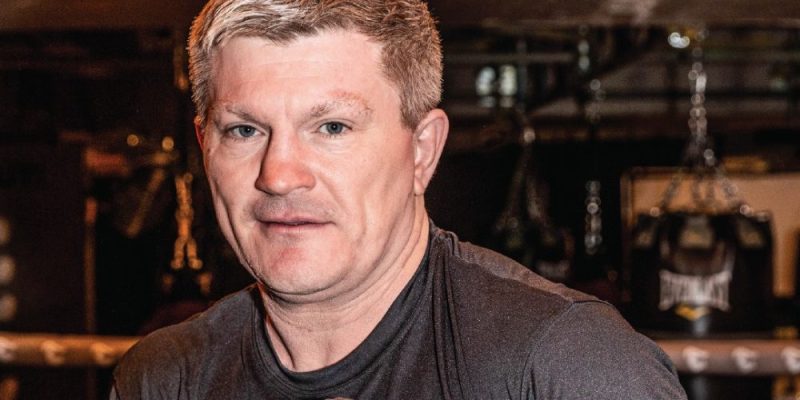
Ricky Hatton Death Inquest Reveals No Evidence of Suicide, Coroner Rules
The death of former boxing champion Ricky Hatton continues to raise difficult questions after an inquest heard that there was no clear evidence he intended to take his own life. Testimony presented in court described the 46-year-old as optimistic about upcoming plans and enjoying time with his family shortly before his death.
Hatton, a former two-weight world champion and one of boxing’s most recognizable figures, had struggled with alcohol and substance use earlier in life. Even so, relatives told the court that his condition had improved significantly in recent years and that he seemed positive about what lay ahead.
During proceedings at Stockport Coroner’s Court, family members described Hatton as a caring father who had recently been in good spirits.
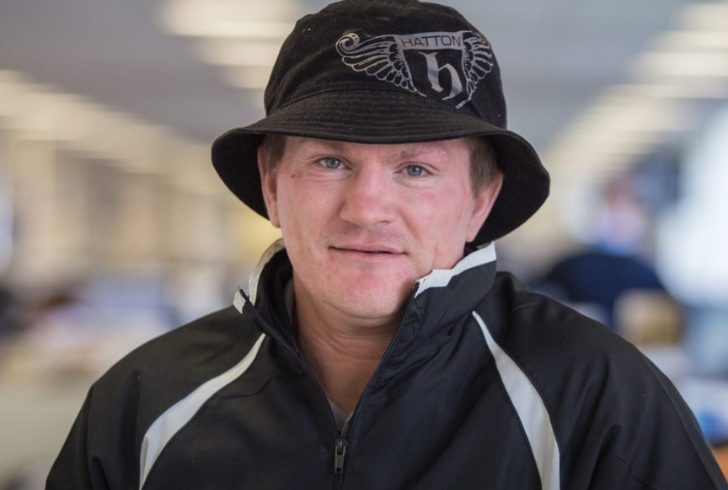
Instagram | manchestereveningnews | The mysterious death of Ricky Hatton remains unresolved following inconclusive inquest findings.
On the evening of Friday, September 12 last year, Hatton spent time with his daughters and his granddaughter. The group went out for a meal at a pub. According to testimony, nothing about his behavior caused concern.
After dropping them home, Hatton said he would see them again in a few days. He was scheduled to travel to Dubai soon after, where he planned to participate in an exhibition boxing match.
Family members told the court that he seemed normal and relaxed that night. There were no signs suggesting distress or plans to harm himself.
Plans That Never Happened
Hatton had a busy weekend ahead. However, events took a sudden turn.
He did not attend an engagement scheduled for Saturday. The following morning, at around 6:30 a.m. on Sunday, his manager Paul Speak arrived at Hatton’s home in Hyde, Greater Manchester. Speak had come to drive him to the airport for the Dubai flight.
Instead, Hatton was discovered unresponsive in the upstairs games room of his house.
Medical testing later revealed that his blood alcohol level was well above the legal drink-drive limit. Toxicology reports also detected traces showing previous use of cocaine and cannabis.
A post-mortem examination revealed another important detail connected to Hatton’s boxing career.
Neuropathological findings showed signs of chronic traumatic encephalopathy, known as CTE. This brain condition has been linked to repeated head trauma and is associated with contact sports such as boxing.
The presence of CTE was considered during the investigation into Hatton’s death.
Senior coroner Alison Mutch explained that investigators also examined whether there were any messages, letters, or other evidence suggesting suicidal intent. None were discovered.
Police searches and witness statements also failed to reveal any indication that Hatton planned to end his life.
Coroner’s Statement to the Court
After reviewing testimony and evidence, Mutch addressed the court with her conclusion.
She stated:
“He had made significant future plans and no notes were found indicating he intended to take his own life.”
Mutch added that the available evidence did not allow a legal conclusion of suicide. Instead, she delivered a narrative verdict.
Her explanation to the court continued:
“I have listened very carefully to all the evidence. When I add everything together, I cannot be satisfied he intended to take his own life. Therefore, it is not possible in law for me to conclude suicide.”
She also noted the factors that complicated the case.
“His intention remains unclear as he was under the influence of alcohol and the neuropathological post-mortem found evidence of chronic traumatic encephalopathy, and that’s the conclusion I draw.”
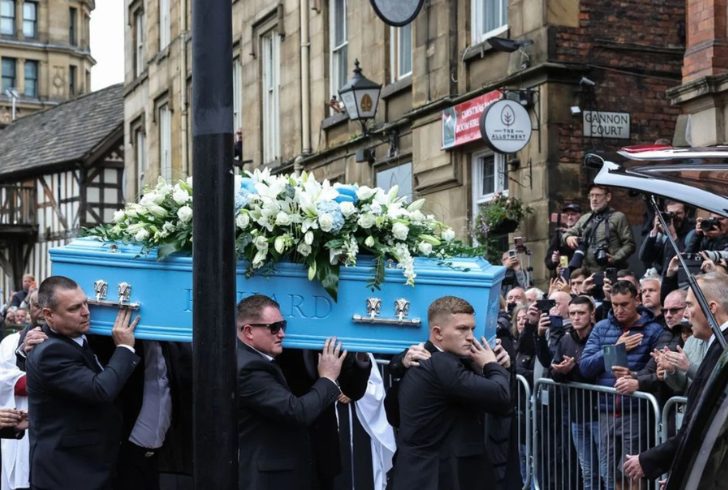
Instagram | nochedeboxeo_ | Cultural icons and sports legends gathered in Manchester to honor Hatton’s memory.
The conclusion of the inquest was difficult for Hatton’s family.
His son, Campbell Hatton, broke down in tears as the verdict was delivered. He was comforted by his grandfather, Ray Hatton.
The hearing was attended by several close relatives, including Hatton’s father, his son, and his former partner, who is the mother of his daughters.
Tributes and Public Farewell
Hatton’s funeral in Manchester drew attention from across the sports and entertainment world. Many well-known figures attended to pay their respects.
Among those present were Liam Gallagher, Tyson Fury and Wayne Rooney.
The ceremony included an “Oasis” themed tribute, reflecting Hatton’s well-known love for the Manchester band.
The case has attracted attention due to its sensitive nature, with warnings that some readers may find the content distressing. Support services are available through Sky’s viewer resources for those affected.
The inquest into Ricky Hatton’s death revealed a complex picture. In the days before he died, Hatton had made plans for travel, family time, and boxing events. Investigators found no notes, messages, or statements indicating an intention to end his life. Medical findings showed high alcohol levels and evidence of chronic traumatic encephalopathy, a condition linked to repeated head injuries in boxing.
Senior Coroner Alison Mutch concluded that the evidence does not support a legal ruling of suicide. The official outcome was a narrative verdict, leaving the exact circumstances and intent behind Hatton’s death unresolved.
More in Boxing
-
`
 Ryan Garcia vs. Conor Benn Fight in Doubt After Zuffa Boxing Legal Dispute
A highly anticipated boxing matchup between Ryan Garcia and Conor Benn has encountered a significant obstacle before an official announcement could...
June 25, 2026 -
`
Iowa State Exploring Position Switch for 2027 QB Blake Moser
Iowa State football carried strong momentum out of its first official visit weekend, adding three more commitments to the 2027 recruiting...
June 21, 2026 -
`
A Closer Look at the 2027 College Football Hall of Fame Ballot
The 2027 College Football Hall of Fame ballot has arrived, and it is already creating heated discussions across the sport. Every...
June 21, 2026 -
`
The Biggest Fantasy Basketball Questions Still Unanswered for 2026-27
The 2026 NBA Draft is approaching, and free agency is right around the corner. Yet many of the biggest fantasy basketball...
June 21, 2026 -
`
Doctors Once Advised Jak Corrie to Retire – Now He’s Chasing a WBA Belt
A boxing career once placed on hold by a troubling medical opinion has now brought Jak Corrie to the edge of...
June 14, 2026 -
`
How Modern Boxing Films are Redefining the Underdog Story? A Closer Look
Boxing movies have always packed an emotional punch. Audiences love watching fighters climb from hardship to glory. For decades, the formula...
June 14, 2026 -
`
Titans Announce Dave McGinnis as Newest Ring of Honor Inductee
The Tennessee Titans continue to celebrate a lasting legacy after the sudden passing of Dave McGinnis. The organization now plans a...
June 12, 2026 -
`
How Indiana’s FISU Games Trip to Peru Could End NCAA Drought
Indiana basketball is heading into the offseason with a schedule that looks far different from previous years. The program’s upcoming trip...
June 7, 2026 -
`
Indiana Basketball Heads to Peru for FISU America Games with a Completely Rebuilt Roster
Indiana basketball is heading south this summer, but this is far more than a routine overseas trip. The Hoosiers will represent...
June 7, 2026

More From Refinance Gold
-
Jake Paul Responds to Critics Over Record Netflix Boxing Viewership
Jake Paul continues to face criticism over his boxing career, but the social media star turned professional boxer believes the conversation...
BoxingAugust 8, 2026 -
How the Muhammad Ali Boxing Revival Act Could Change Boxing Forever
Professional boxing could soon enter a new era. A proposed law known as the ‘Muhammad Ali Boxing Revival Act’ has become...
BoxingAugust 8, 2026 -
Lewis Hamilton Wins First Ferrari Race at Barcelona Grand Prix 2026
Lewis Hamilton delivered one of the defining moments of the 2026 Formula 1 season by claiming his first race victory with...
Latest NewsAugust 7, 2026 -
Kevon Looney Shares How Stephen Curry Shaped His Lakers Role
The Los Angeles Lakers added another experienced frontcourt player during the 2026 NBA free agency period by signing Kevon Looney to...
BasketballAugust 1, 2026 -
LeBron James Joins the Philadelphia 76ers for Historic 24th Season
LeBron James has made the biggest move of the 2026 NBA offseason. The NBA’s all-time leading scorer is heading to the...
BasketballAugust 1, 2026
You must be logged in to post a comment Login